Full Garden Design
Complete garden planning and layout support for a coherent outdoor space.

Full garden landscaping and design services. Premium patios, decking, bespoke fencing and planting.
Premium hard and soft landscaping services designed to complete your outdoor living space.
Complete garden planning and layout support for a coherent outdoor space.
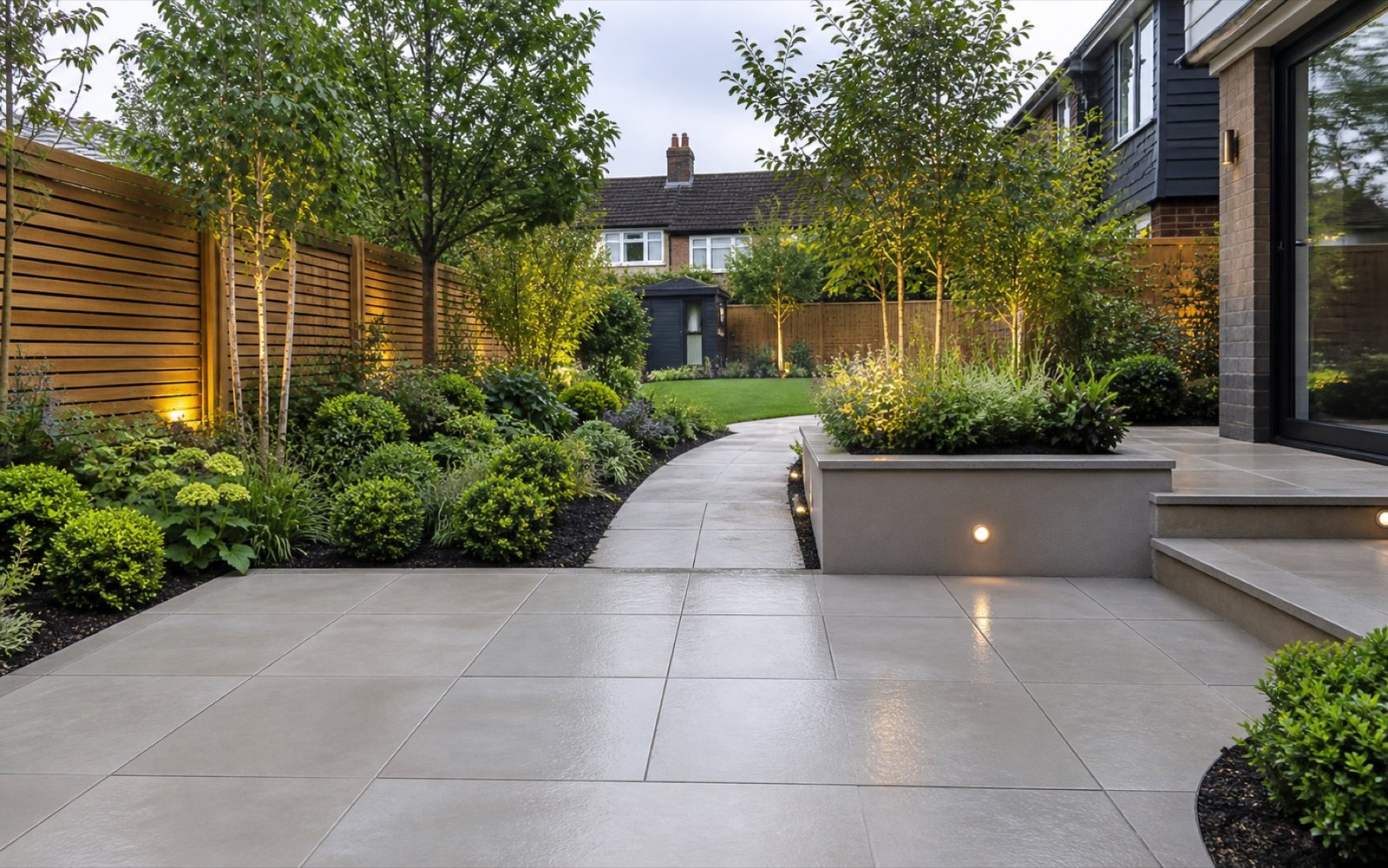
Premium natural stone and porcelain paving for practical garden routes and seating areas.
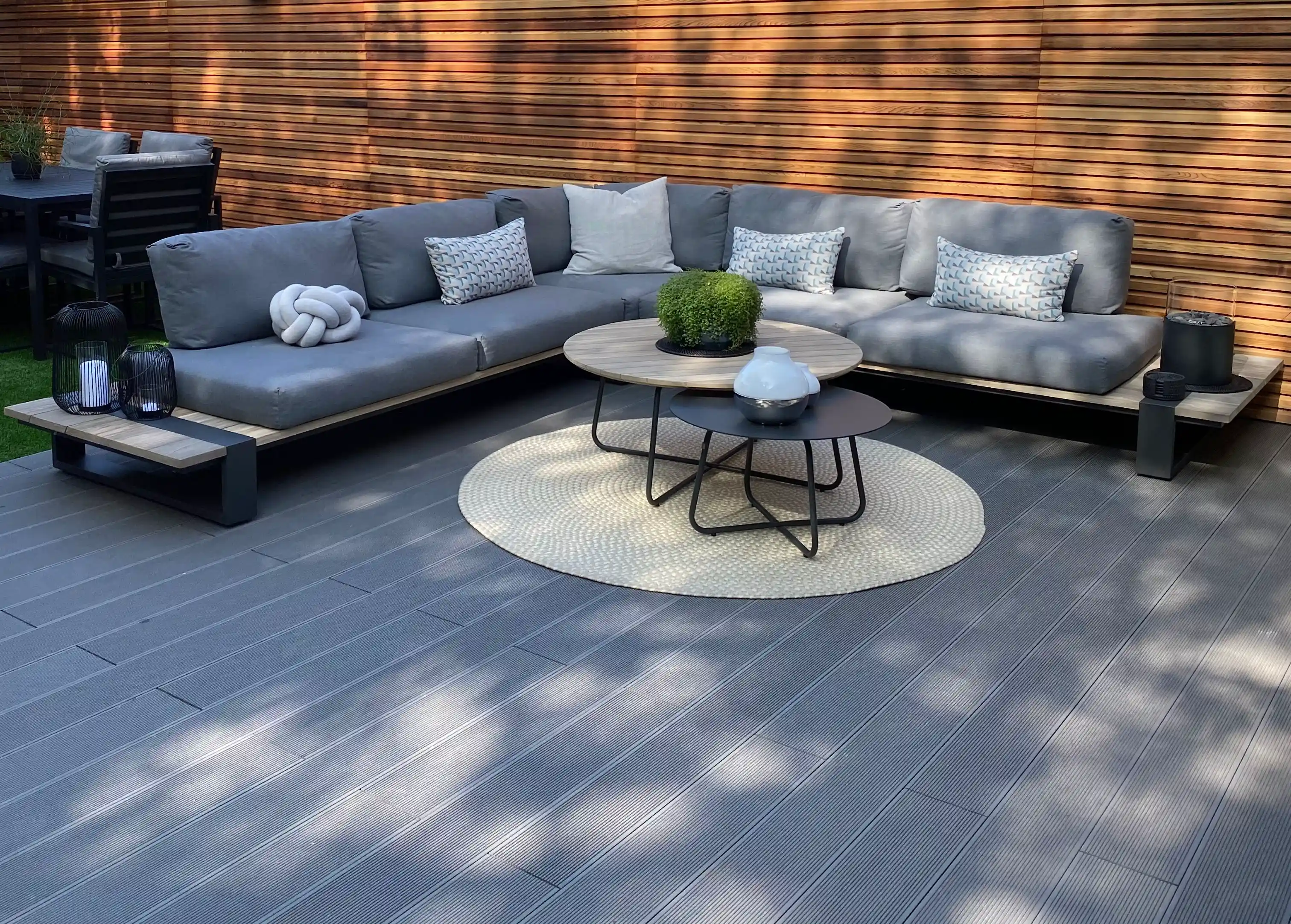
Composite decking and bespoke fencing options to add structure, privacy and everyday usability.
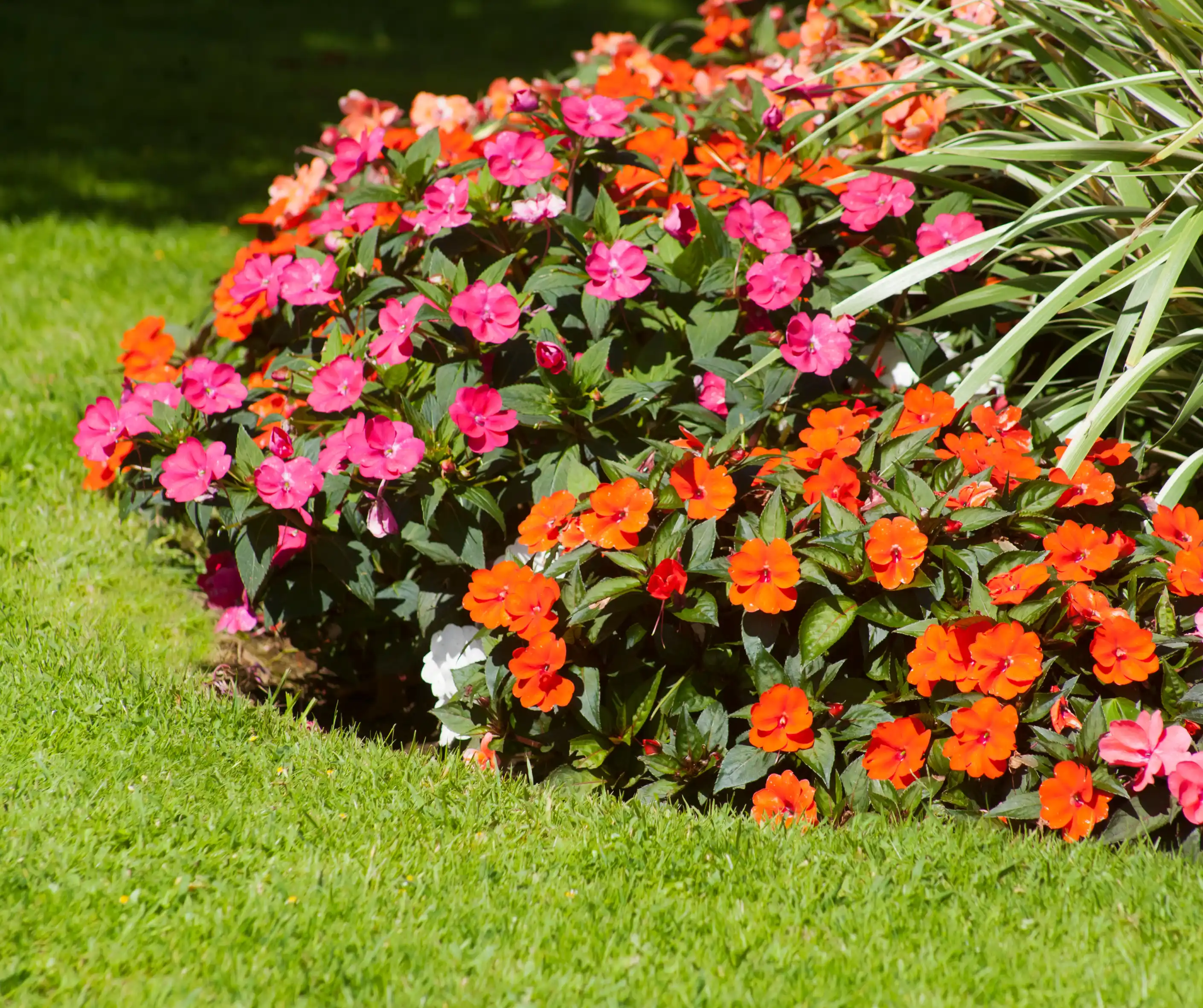
Soft landscaping, planting and trimming to add colour, texture and year-round visual impact.
Choose the elements that matter most to your space, from structural landscaping to planting, lawns and finishing details.
Landscaping and Garden Design
Full garden landscaping and design services. Premium patios, decking, bespoke fencing and planting.
Hard Landscaping
Natural stone is quarried material such as sandstone, limestone or granite, giving each patio or pathway its own character and variation.
Porcelain is man-made from compressed clay and minerals fired at high temperatures, creating a dense, durable slab that resists stains, moisture and frost.
Porcelain usually offers consistent slip resistance through a textured anti-slip surface, while textured natural stone can also provide good grip when maintained correctly.
Structure and Privacy
Timber decking is made from natural wood and gives a traditional garden finish, but needs regular staining, sealing and treating to help prevent rot, warping and fading.
Composite decking blends recycled plastic and wood fibres to create a timber-style finish that is more resistant to moisture, rot, fading and staining.
Fencing can be planned around privacy, boundaries and the overall look of the garden so the finished space feels considered rather than pieced together.
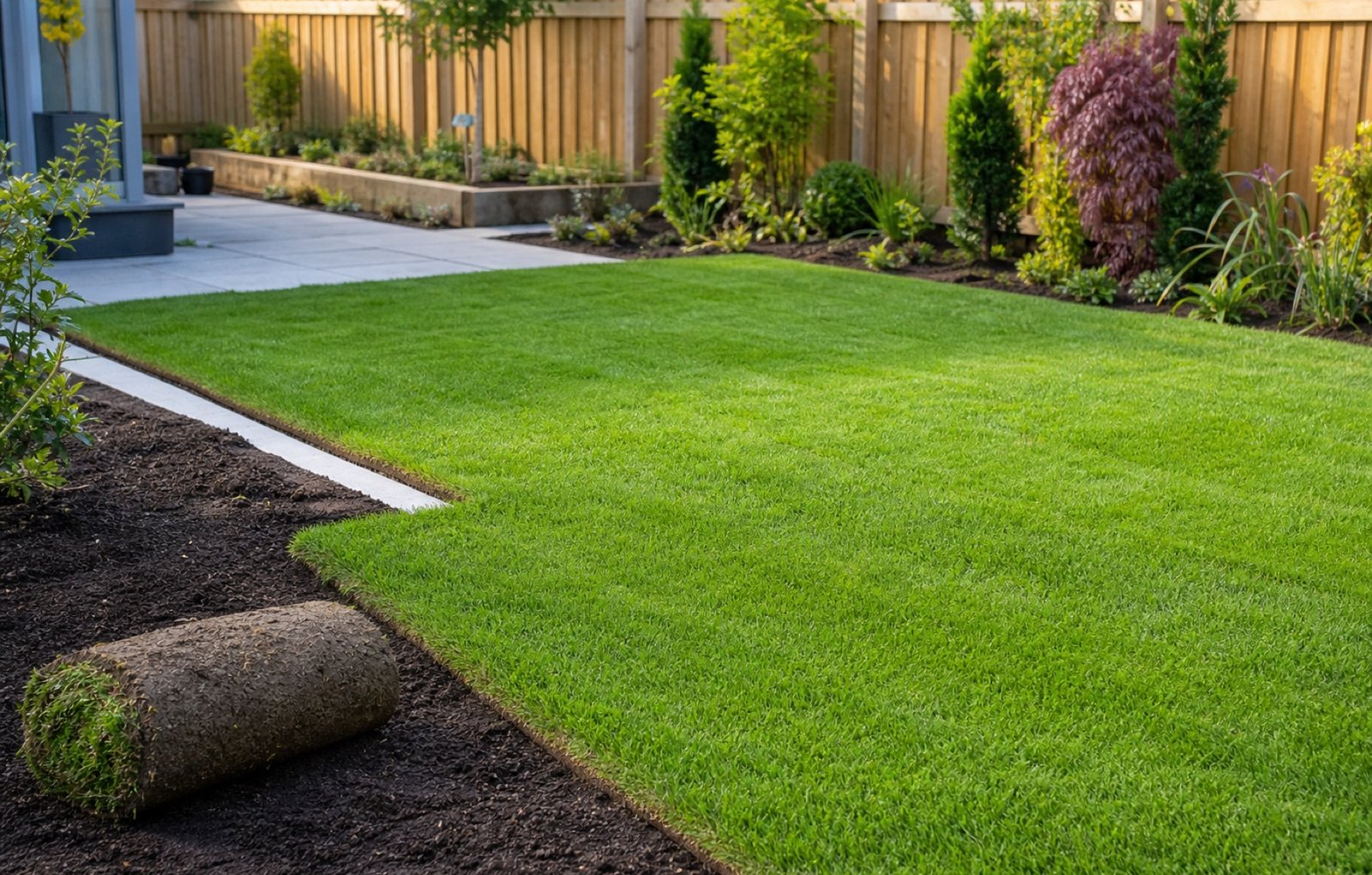
Soft Landscaping
Planting introduces colour, texture and seasonal interest, helping hard landscaping settle naturally into the wider garden.
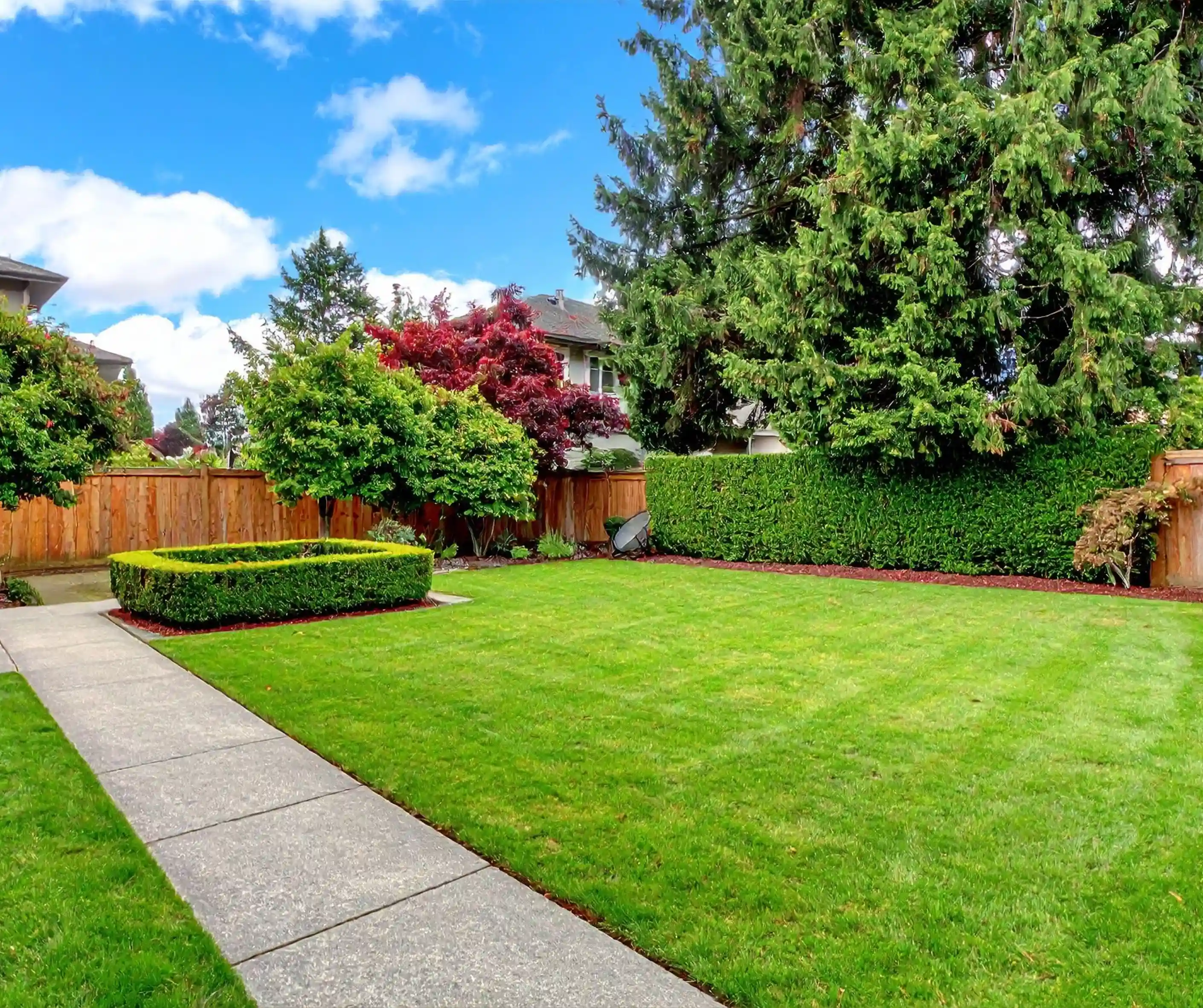
Turfing involves laying pre-grown rolls of grass onto prepared soil, giving you an instant green lawn once the ground has been properly prepared.
Seeding takes longer to establish and needs more initial care, but it can be a cost-effective option for larger lawn areas.
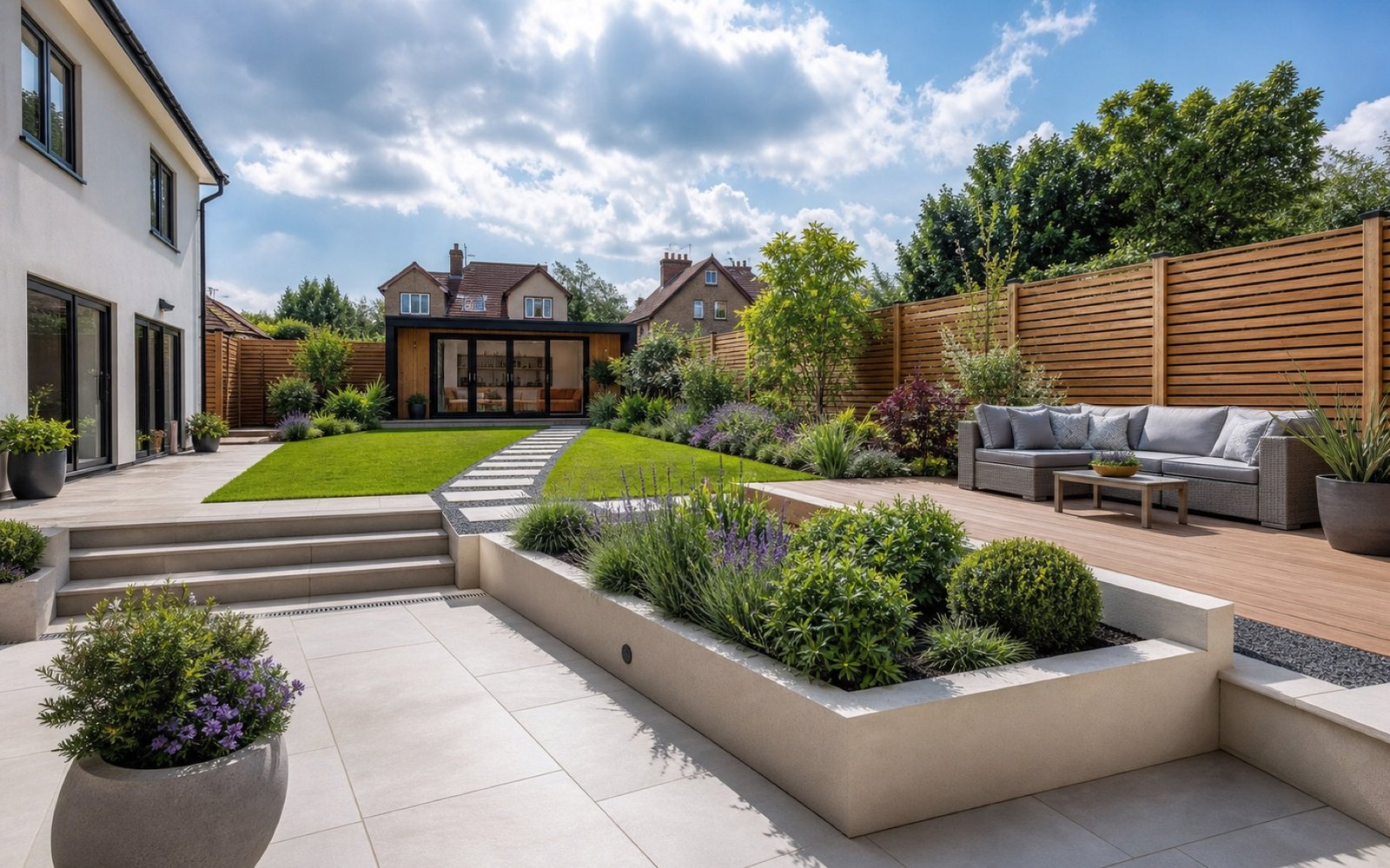
Hard landscaping, soft planting and practical finishing details brought together as one outdoor space.
Planned layouts for practical outdoor spaces
Natural stone and porcelain finishes
Durable routes through the garden
Timber and composite options
Privacy, boundaries and structure
Colour, texture and seasonal interest
Clean finishing and regular shape
Instant lawn installation
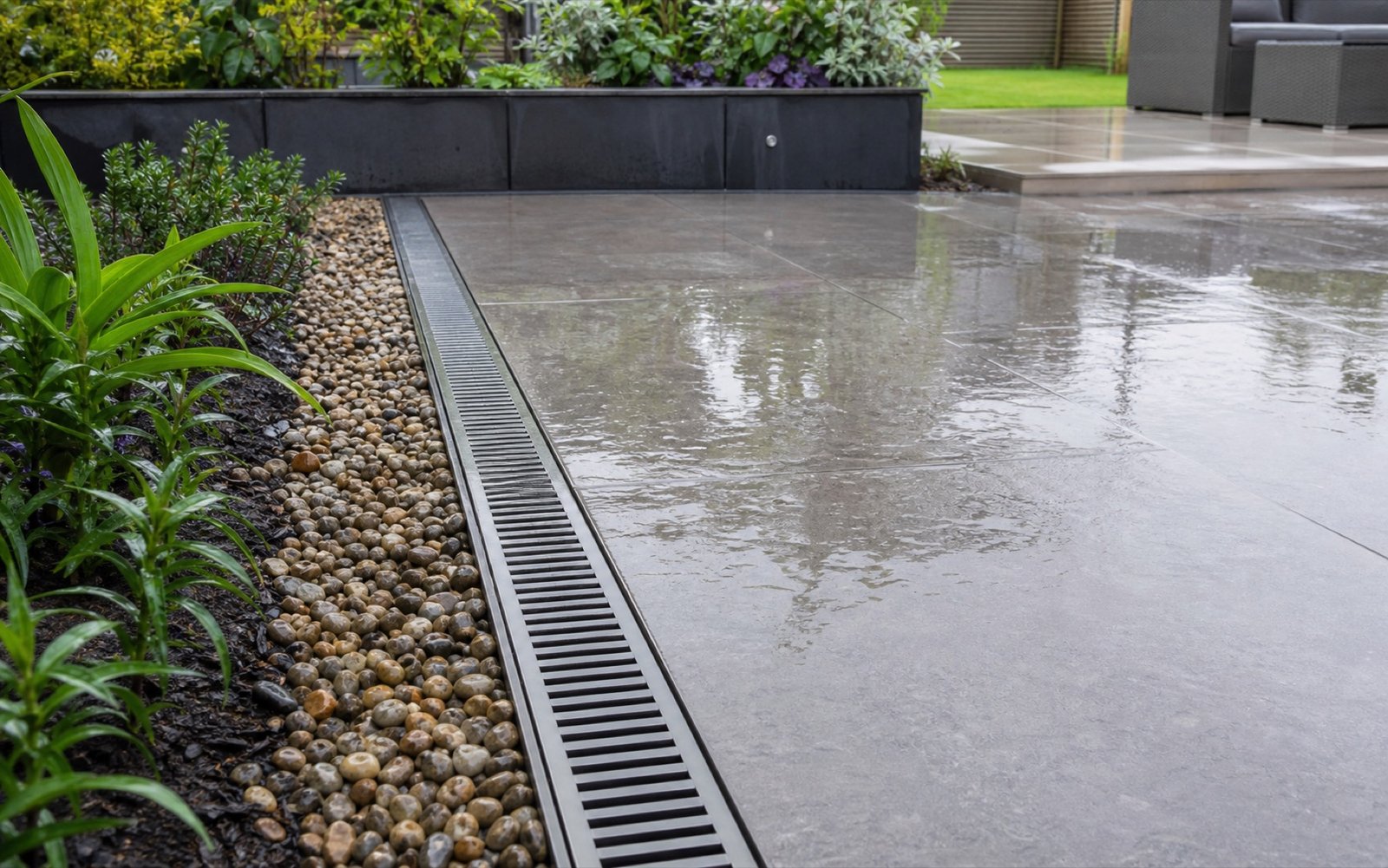
Drainage and soakaway planning
Find answers to common questions about patios, paving, decking and lawn options.
Natural stone is quarried material such as sandstone, limestone or granite, whereas, porcelain is man-made from compressed clay and minerals that are fired at high temperatures, creating a very dense, durable slab that resists stains, moisture and frost.
Not always, but every patio needs a suitable way for water to move away from the surface and the property. Depending on the levels, soil conditions and surrounding walls or thresholds, this may be handled by the correct fall, drainage channels, permeable joints or a soakaway.
Porcelain usually offers better and more consistent slip resistance as it is manufactured with a textured anti-slip surface and absorbs very little water. On the other hand, natural stone can also provide good grip, especially with a textured finish, but smoother stone may become slippery over time if not properly maintained.
A properly installed patio can last for decades. Porcelain and natural stone paving are both long-lasting options when installed on the correct sub-base with suitable falls, drainage and jointing.
Timber decking is made from natural wood, hence it provides a traditional look but requires regular maintenance such as staining, sealing and treating to prevent rot, warping and fading. Alternatively, composite decking is made from a blend of recycled plastic and wood fibres, designed to look like timber but is more resistant to moisture, rot, fading and staining.
FSC-Certified decking uses timber sourced from forests certified by the Forest Stewardship Council. This means the wood comes from responsibly managed forests that meet recognised environmental, social and economic standards.
Composite decking can become warm in direct sunlight, especially darker colours. Lighter board colours, good airflow and thoughtful positioning can help reduce heat build-up during hot weather.
Any outdoor surface can become slippery when wet, icy or covered with algae and debris. Textured decking boards and regular cleaning help improve grip and keep the surface safer throughout the year.
High-quality composite decking is typically designed to last around 20-30 years, depending on the product, installation quality, exposure and how well the area is maintained.
Capped decking is composite decking with a protective outer shell around the board. The cap helps improve resistance to staining, fading, moisture and general wear, making it a low-maintenance option for outdoor spaces.
Horticultural landscaping focuses on the living parts of a garden, including soil preparation, planting, turfing, trimming and ongoing plant health. It helps soften hard landscaping and create a garden that grows well over time.
A soakaway is an underground drainage system that allows surface water to disperse gradually into the surrounding ground. It is often used where rainwater needs to be managed away from patios, paths, buildings or low points in the garden.
Most new planting starts to settle within the first growing season, but it can take 12-24 months to become properly established. Watering, soil preparation and aftercare are important during this period.
Turfing involves laying pre-grown rolls of grass onto prepared soil, providing an instant green lawn, whereas, seeding requires sowing grass seed directly into the soil which takes longer to grow and requires more initial care, but it is generally more cost-effective for larger areas.
A planting scheme plans the choice, position and mix of plants so the garden has the right balance of colour, structure, texture and seasonal interest. It also helps ensure the plants suit the soil, light levels and maintenance expectations.
Explore the other outdoor living services available from Evolve Outdoors.
We'll help you choose the right landscaping service for your project.